Stain Removal in Everyday Life: Practical Methods for Cleaner Fabrics, Surfaces, and Upholstery
Stain removal is one of those everyday household skills that can save time, money, and frustration. Whether you are dealing with coffee on a shirt, grease on a countertop, wine on a sofa, or mud on a rug, knowing the right stain removal approach makes a noticeable difference. The best results often come from acting quickly, choosing the right cleaning method, and understanding the material you are treating. In many cases, effective stain removal is less about scrubbing harder and more about using smarter techniques.
Why does stain removal matter so much? Because stains are not all the same. Some are water-based, some are oil-based, and others include dyes, protein, or tannins. Using the wrong method can spread the stain, set it deeper, or damage the fabric. That is why stain removal should always start with identifying the stain type and the surface involved. From clothing and upholstery to tile, wood, and carpet, each surface needs a slightly different strategy.
Good stain removal is both an art and a science. The science comes from understanding how stains bond to materials. The art comes from knowing when to blot, when to rinse, and when to stop before causing more harm. In this article, we will explore practical stain removal methods, common mistakes to avoid, and simple tips to keep your home looking fresh and well cared for.
Understanding the Basics of Stain Removal
Before you reach for a cleaning product, it helps to understand what you are dealing with. Stain removal works best when you identify whether the stain is fresh or dried, and whether it came from food, drink, ink, makeup, oil, or organic matter. Fresh stains are usually easier to remove because they have not yet fully bonded to fibers or surfaces. Dried stains often require more patience and a step-by-step treatment process.
Another major factor in stain removal is the material itself. Cotton, polyester, wool, silk, leather, wood, stone, and carpet all react differently to cleaning agents. For example, a method that works well for a cotton shirt may be too harsh for silk or may discolor delicate upholstery. This is why reading care labels and testing products in a hidden area are important steps in successful stain removal.
It also helps to remember that stain removal usually works best when done gently and systematically. Blotting is often safer than rubbing, because rubbing can push the stain deeper into the fibers. A clean white cloth, paper towel, or soft sponge can be used to absorb excess liquid before applying any cleaning solution. Patience is often the key to stain removal success.
Stain Removal on Clothing
Clothing is one of the most common places where stain removal becomes necessary. Coffee spills, sauce splashes, deodorant marks, grass stains, and makeup transfer can all happen in a single day. The good news is that many clothing stains can be treated effectively if you respond quickly and use the right method.
Step one: remove any excess material. If you spill food on a shirt, gently lift away what you can without spreading it. For liquid stains, blot the area with a dry cloth to absorb as much as possible. Then check the garment label. Different fabrics may require cold water, warm water, or special care. Stain removal on delicate items should always be done cautiously.
For common food and drink stains, a mild liquid detergent or stain pre-treatment spray often works well. Apply it directly to the stained area and allow it to sit for a few minutes before washing. For oily stains, a little dish soap can help break down grease before laundering. For protein-based stains such as blood or sweat, cold water is often preferred because hot water can set the stain. Choosing the correct temperature is a small detail that can have a big impact on stain removal.
Useful Clothing Stain Removal Tips
- Act quickly whenever possible.
- Blot instead of rubbing.
- Use cold water for many fresh stains.
- Test stain removers on hidden seams first.
- Air dry only after the stain is fully gone.
One of the most important rules in stain removal for clothing is to avoid heat until you are sure the stain is removed. Heat from a dryer can permanently set many stains, making them much harder to treat later. If the stain is still visible after washing, repeat the process rather than drying the item. This simple habit can significantly improve your stain removal results.
Stain Removal for Carpets and Rugs
Carpet stain removal can feel intimidating because carpets are thick, absorbent, and often expensive to replace. Spills can sink quickly into the fibers and padding below, which makes fast action especially important. The first rule is to blot up as much liquid as possible. Avoid scrubbing, since that can damage the carpet and spread the stain.
For many carpet stains, a mixture of warm water and mild dish soap can be effective. Apply the solution lightly with a cloth, then blot again with clean water to rinse. Continue until the stain lifts. For stubborn stains such as wine or coffee, a carpet-safe stain removal product may help. Always follow the instructions carefully and avoid oversaturating the area.
Odor control matters too. Some stains, especially pet accidents and food spills, can leave behind smells even after the visible mark is removed. In those cases, an enzyme cleaner may be useful because it helps break down organic material. Proper stain removal on carpets should address both the stain and the odor for a better long-term result. If the stain is large or deeply set, professional carpet cleaning may be the most effective option.
Carpet Stain Removal Mistakes to Avoid
- Using too much water.
- Scrubbing aggressively.
- Applying random chemicals without testing.
- Drying the carpet before the stain is fully gone.
- Ignoring the stain until it becomes permanent.
Fast, gentle, and repeated treatment is often better than a single harsh attempt. With the right stain removal strategy, many carpet spills can be handled before they become permanent problems.
Stain Removal on Upholstery and Sofas
Upholstery stain removal requires extra care because sofas, chairs, and cushions are made from a wide range of fabrics and fillings. One wrong product can leave a water ring, discoloration, or texture damage. That is why it is essential to check the manufacturer’s cleaning code when possible. Codes such as W, S, WS, or X indicate whether the fabric can be cleaned with water-based solutions, solvent-based cleaners, both, or only vacuuming and professional care.
For a fresh upholstery stain, start by blotting gently with a dry cloth. If the cleaning code allows, use a small amount of water and mild detergent. Apply the solution sparingly and blot again rather than soaking the fabric. For greasy or oily stains, a solvent-safe cleaner may be more appropriate. Because upholstery absorbs liquid easily, over-wetting is one of the biggest risks in stain removal for furniture.
When in doubt, less is more. A small, careful cleaning attempt is safer than a heavy-handed one. You should also allow the area to dry fully with good airflow. Fans, open windows, and patience can help prevent lingering moisture. Smart upholstery stain removal preserves both appearance and fabric life.
Best Practices for Upholstery Stain Removal
- Vacuum loose debris before cleaning.
- Blot from the outer edge toward the center.
- Use minimal liquid.
- Check care codes before applying any cleaner.
- Dry thoroughly to avoid mildew or odor.
Many people overlook furniture stain removal until the stain becomes obvious from every angle. Regular attention, prompt cleaning, and the correct product choice can help your sofa and chairs look inviting for much longer.
Stain Removal in Kitchens and Bathrooms
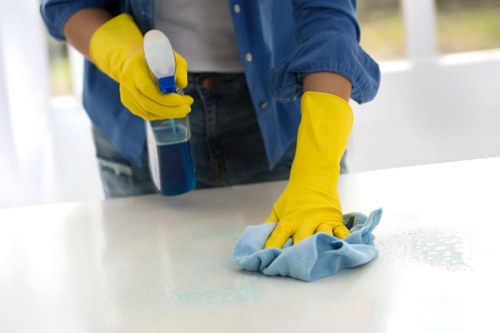
Kitchens and bathrooms are high-traffic areas where stains and marks are common. From grease on backsplash tiles to soap scum in sinks and discoloration around fixtures, stain removal in these spaces is part of regular home maintenance. The good news is that many surface stains can be handled with simple cleaning products and consistent routines.
In the kitchen, grease splatter is one of the most frequent issues. A degreasing cleaner, warm soapy water, or a paste made from baking soda and water may help lift residue from counters, cabinets, and appliances. On stainless steel, always wipe in the direction of the grain to avoid streaks. For food stains on countertops, act quickly so dyes and acids do not settle into porous surfaces.
Bathroom stain removal often focuses on soap buildup, hard water deposits, mildew marks, and discoloration around sinks or tubs. Vinegar-based solutions can work well on mineral deposits, but they should be used carefully on stone surfaces like marble or granite. Matching the cleaner to the surface is critical. A product that works on tile may not be safe for natural stone or delicate grout.
Quick Surface Cleaning Checklist
- Identify the surface before cleaning.
- Use a soft cloth or non-scratch sponge.
- Rinse after using cleaning agents.
- Dry the area to prevent spots.
- Repeat gently if the stain remains.
Consistent stain removal in kitchens and bathrooms also helps maintain hygiene. Clean surfaces not only look better but also support a healthier home environment. Small spills, soap buildup, and water spots are easier to handle when addressed regularly rather than left to accumulate.
Common Types of Stains and How to Approach Them
Not all stains respond to the same treatment. A more effective stain removal approach begins by grouping stains into categories. This helps you choose a suitable cleaner and avoid unnecessary damage. Here are some of the most common stain types and how they are typically handled.
- Food stains: Usually respond well to detergent, water, and prompt blotting.
- Oil and grease stains: Often need dish soap or a degreasing cleaner.
- Protein stains: Blood, egg, and sweat often benefit from cold water and enzyme-based cleaners.
- Tannin stains: Coffee, tea, and wine may require repeated treatment and careful blotting.
- Dye stains: Ink, marker, and makeup can be more difficult and may need specialized stain removal products.
Each stain category has its own challenges. For example, tannin stains can cling strongly to fibers, while dye stains may require targeted treatment to break down the color molecules. The earlier you act, the easier stain removal usually becomes. Even if a stain looks serious, repeated careful treatment often improves the result.
Understanding stain categories also helps with prevention. If you know that a certain surface is more vulnerable to oil or dye, you can protect it with mats, covers, or regular cleaning before permanent staining develops. Prevention is a powerful part of long-term stain removal success.
Natural vs. Commercial Stain Removal Methods
Many homeowners prefer natural stain removal options, while others trust commercial cleaners for stronger results. Both approaches can work well depending on the stain, the material, and the amount of time available. Natural methods such as baking soda, vinegar, lemon juice, and dish soap are common because they are accessible and often gentle. Commercial products may provide stronger stain-fighting power and are especially useful for tough or repeated stains.
Natural methods can be effective, but they are not always the best choice for every stain. Vinegar can be helpful for some mineral deposits, but it may not be suitable for natural stone. Baking soda can lift odor and grime, but it may not fully break down heavy grease. Commercial stain removers, on the other hand, are often formulated for particular fabric types or stain categories, which can improve stain removal results when used correctly.
The safest approach is to match the method to the stain and surface. If a product label says it is safe for the item you are cleaning, it is usually a good starting point. When using any cleaner, especially on delicate materials, test it first and observe how the surface reacts. Thoughtful stain removal is always more reliable than guesswork.
When to Choose Which Method
- Use natural methods for light, fresh, and general cleaning tasks.
- Use commercial cleaners for stubborn, specialized, or set-in stains.
- Use professional services for delicate, large, or valuable items.
In many homes, the best stain removal routine includes both natural and commercial tools. Keeping a small cleaning kit on hand can make response times faster and reduce the chance of stains becoming permanent.
Preventing Stains Before They Happen
Prevention is one of the smartest parts of stain removal. While no home can avoid every spill, a few simple habits can reduce the frequency and severity of stains. For clothing, consider wearing aprons while cooking or using stain-resistant sprays on frequently used items. For carpets and upholstery, entry mats and regular vacuuming can reduce the amount of dirt that settles into fibers.
In the kitchen, wipe spills immediately before they dry. In the bathroom, squeegee shower surfaces after use to minimize water spots and soap buildup. For dining areas, use placemats and coasters to protect tables and fabrics. Small habits make stain removal easier later. By reducing buildup and acting quickly, you minimize the chance that stains will become permanent.
It is also helpful to keep a few essential stain removal supplies in one place. A stain stick, mild detergent, microfiber cloths, a soft brush, and an enzyme cleaner can handle many common problems. Being prepared means you can respond fast, which is often the difference between a minor cleanup and a long-term blemish.
When Professional Stain Removal Makes Sense
Some stains are simply too stubborn, too large, or too risky to handle at home. Professional stain removal may be the best option for delicate fabrics, antique upholstery, valuable rugs, or large-area damage. Professionals have access to specialized equipment, stronger cleaning agents, and material-specific techniques that may be unavailable in typical household products.
Consider professional help if:
- The stain keeps returning after cleaning.
- The material is delicate or expensive.
- The stain has spread deeply into fibers or padding.
- You are unsure which product is safe to use.
- The stain involves mold, dye transfer, or severe odor.
Professional stain removal can also save time and reduce the risk of accidental damage. If you have already tried several safe methods without success, it may be more efficient to let an expert take over. Sometimes the smartest cleaning decision is knowing when to stop experimenting.
Final Thoughts on Stain Removal
Stain removal becomes much easier when you understand the stain, the surface, and the proper cleaning method. Whether you are treating clothing, carpet, upholstery, kitchen surfaces, or bathroom fixtures, the basic principles remain the same: act quickly, blot gently, test products, and avoid heat until the stain is gone. These simple habits can dramatically improve your results and protect the materials in your home.
From everyday spills to tougher marks, stain removal is about consistent care and smart decision-making. A little knowledge goes a long way, and the right process can turn a stressful mess into a manageable task. If you want a cleaner home, better fabric care, and less frustration, start building your stain removal routine today. Book your service now if you need expert help with difficult stains, or contact us today to take the next step toward cleaner, fresher spaces.