Pet Stain Odour Removal: Restore Fresh, Clean Spaces with Proven Methods
Pet ownership brings joy, companionship, and warmth to a home, but it can also bring stubborn stains and lingering smells that are difficult to ignore. Pet stain odour removal is one of the most important parts of maintaining a healthy, comfortable indoor environment, especially for households with dogs, cats, or multiple pets. Whether you are dealing with urine on carpet, drool on upholstery, accidents on hardwood, or repeated marking in the same spot, the right approach makes all the difference.
Unpleasant pet odors often settle deep into fibers, padding, and porous surfaces, which means surface cleaning alone usually is not enough. Effective pet stain odour removal requires identifying the source, treating it properly, and preventing the smell from returning. If you want a fresher home, improved indoor air quality, and cleaner fabrics, understanding how odours form and how to eliminate them is essential.
In this article, we will explore practical methods, common mistakes, material-specific solutions, and prevention strategies for long-lasting results. You will also learn when to use home remedies, when to rely on enzyme cleaners, and when professional pet stain odour removal services are the smartest option.
Why Pet Stain Odours Are So Persistent
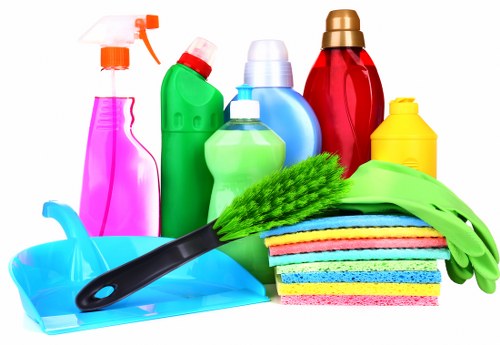
Pet stains are not like ordinary spills. Urine, vomit, feces, and saliva contain organic compounds that can penetrate deeply into surfaces. As these compounds break down, they release ammonia and bacteria-related smells that become more noticeable over time. That is why a stain may look small on the surface yet continue to smell strong for days, weeks, or even longer.
Another reason pet stain odour removal can be challenging is that many accidents seep into hidden layers. On carpet, the liquid often passes through the fibers and into the underlay. On a sofa, it may soak into cushions and wood framing. On floors, it can enter seams or cracks. Once the odour gets trapped, it can reappear when humidity rises or when the surface is disturbed.
Pets also tend to revisit areas that still smell like prior accidents. That means incomplete cleaning does more than leave a bad smell; it can encourage repeat marking. Proper pet stain odour removal is therefore about both hygiene and behavior management.
The science behind the smell
Understanding the source of the odour helps you choose the right treatment. Fresh urine contains uric acid crystals, proteins, and bacteria. When the moisture evaporates, uric acid can remain behind and reactivate with humidity. That is why some smells seem to return on rainy days or when the room gets warmer. Regular cleaning products may lift visible stains, but they often do not neutralize the compounds responsible for lingering odour.
Common Pet Stain Areas in the Home
Pet stain odour removal becomes easier when you know where to look. While accidents can happen anywhere, certain areas are far more vulnerable than others. Carpets are a major concern because they absorb liquid quickly and retain moisture. Upholstered furniture is another hotspot because cushions act like sponges. Mattresses, rugs, pet bedding, and laundry items are also frequent sources of hidden smells.
Hard surfaces such as tile and sealed wood are less absorbent, but odours can still persist in grout lines, scratches, and joins between boards. Even pet carriers, blankets, curtains, and vehicle interiors can trap smell if they are not cleaned properly. A good odour-removal plan considers every material and surface that may hold residue.
It is also worth noting that older stains may appear less visible but smell stronger than fresh ones. Over time, bacteria and residue continue to evolve, making prompt pet stain odour removal a crucial habit for any pet owner.
High-risk places to inspect regularly
- Carpeted hallways and living rooms
- Pet beds and blankets
- Upholstered sofas and chairs
- Mattresses and box springs
- Rugs and area mats
- Car interiors and cargo areas
- Closets, corners, and baseboards
Best Methods for Pet Stain Odour Removal
There is no single method that works for every stain, but some approaches are consistently effective. The most reliable pet stain odour removal methods address both the visible mark and the odor-causing compounds beneath it. Start by blotting excess moisture with paper towels or a clean cloth. Avoid scrubbing, because that can spread the stain and push it deeper into the surface.
For many household accidents, an enzyme cleaner is the most effective choice. Enzymatic products break down the proteins and uric acid that cause lingering smells. Unlike standard detergents, they are designed specifically for biological stains. Apply the cleaner generously, allow it to sit for the recommended time, and let the area dry fully before using the space again.
Vinegar and baking soda are often mentioned in home cleaning discussions, and while they can help with mild odours, they are not always enough for deeper contamination. They may temporarily reduce the smell, but they do not always eliminate the source. For stronger odor problems, a targeted pet stain odour removal product works more effectively.
Step-by-step approach for fresh accidents
- Blot as much liquid as possible without rubbing.
- Rinse lightly if the surface allows it.
- Apply an enzyme-based cleaner generously.
- Let it dwell according to product instructions.
- Blot again if needed and allow complete drying.
- Repeat if the smell remains after drying.
Important: Never mix cleaning chemicals unless the label specifically says it is safe. Improper combinations can damage surfaces or create harmful fumes. Safe and consistent pet stain odour removal is always better than aggressive shortcuts.
Pet Stain Odour Removal for Carpets and Rugs

Carpet is one of the most common and frustrating surfaces to treat because it absorbs liquid quickly. Effective pet stain odour removal from carpet requires more than a quick surface treatment. The stain often reaches the backing and underlay, where the strongest smell may remain hidden. For this reason, a wet vacuum, carpet extractor, or repeated blotting may be needed before applying cleaner.
For smaller spots, use a tested enzyme cleaner and follow with thorough drying. For larger stains, especially recurring ones, it may be necessary to lift the carpet edge and treat the padding underneath. In severe cases, the underlay may need replacement if contamination is extensive. This is especially important when the same area keeps smelling even after repeated cleaning.
Area rugs also require special attention. Wool, synthetic fibers, and natural blends all react differently to liquids and cleaning solutions. Always check care labels first. Some rugs can be spot treated, while others may need professional care to avoid color fading or fiber damage. When in doubt, test a small hidden area before using any solution across the full stain.
What not to do on carpet
- Do not use high heat too early, as it can set the odour
- Do not oversaturate if the backing is already wet
- Do not use harsh bleach on colored fibers
- Do not cover the smell with fragrance alone
- Do not ignore the underlay if the smell returns
Many homeowners search for pet stain odour removal solutions after trying several products with limited success. If a carpet continues to smell after cleaning, that usually means the source is still present below the visible surface. At that point, deeper extraction or professional treatment may be the best next step.
Removing Pet Odours from Upholstery, Mattresses, and Fabric
Fabric surfaces can trap odours in stitching, foam, and batting, making pet stain odour removal especially important for couches, chairs, and beds. If the accident is fresh, blot immediately and remove any covers that can be washed. For machine-washable fabrics, use the warmest safe water setting and an odor-fighting detergent designed for biological stains.
For upholstered furniture, apply an enzyme cleaner that is safe for fabric and foam. Avoid soaking the material excessively, because too much moisture can create mold or mildew problems. Instead, use controlled application and allow for good airflow. Fans, open windows, and dry towels can help speed up the process.
Mattresses require a careful approach because they absorb liquid deeply and can retain odour for a long time. Remove bedding, blot the area, and apply an appropriate cleaner sparingly. Once the mattress is dry, use a washable protector to reduce future damage. Good pet stain odour removal habits are especially valuable in bedrooms, where lingering smells can affect sleep quality and comfort.
Helpful fabric-cleaning tips
- Use cool or lukewarm water unless the care label says otherwise
- Blot gently rather than scrubbing aggressively
- Check whether the item is colorfast before treating it
- Dry completely to prevent mildew growth
- Wash removable covers as soon as possible
When fabric odours remain after a standard wash, repeat pet stain odour removal using an enzyme treatment rather than adding strong perfume-based products. Fragrance may hide the issue briefly, but it does not remove the organic residue causing the smell.
Hard Floors, Grout, and Hidden Odour Sources
Hard floors may look easy to clean, but they can still trap smell in seams, grout, and damaged finish layers. Tile and sealed vinyl are generally easier to treat, but accidents that sit too long can seep into joints. For wood floors, the finish and subfloor matter just as much as the visible surface. If liquid reaches cracks or warped edges, a simple wipe-down may not solve the problem.
Pet stain odour removal on hard floors starts with immediate cleanup and careful inspection. Use a suitable neutral cleaner for the surface, then treat any lingering smell with a product designed to neutralize biological residue. For tile grout, a soft brush may help work the solution into the seams without causing damage. On hardwood, avoid over-wetting, since excess moisture can weaken the material.
Sometimes the stain appears gone, but a low-level odour continues because it has entered the substrate below the floor. In older homes or properties with repeated accidents, professional deodorizing may be necessary. Deep-cleaning equipment, moisture detection, and targeted treatment can identify and remove what everyday mopping misses.
Signs a hidden source is still present
- Odour returns after the floor dries
- The smell becomes stronger in warm or humid weather
- One area smells worse than surrounding areas
- Pets keep avoiding or revisiting the same spot
- Cleaning products only provide temporary relief
How to Prevent Future Pet Stain Odour Problems
Preventing odour is always easier than removing it. A strong pet stain odour removal routine includes training, routine maintenance, and smart home protection. Pets thrive with consistency, so regular bathroom breaks, litter box care, and supervised routines can reduce accidents. For young pets or newly adopted animals, training patience and structure pay off over time.
Homeowners can also reduce risk by using washable covers, waterproof mattress protectors, and easy-clean area rugs in vulnerable rooms. Pet gates, designated potty areas, and quick access to outdoor spaces can make a noticeable difference. If your pet has a habit of returning to the same accident spot, extra cleaning and behavior monitoring are essential.
Routine vacuuming and deep cleaning should also be part of prevention. Hair, dander, and leftover residue can all contribute to stale smells. A clean environment not only supports pet stain odour removal but also improves the overall freshness of the home. The more often surfaces are maintained, the less likely odours are to settle in.
Prevention checklist
- Train pets consistently and reward good behavior
- Clean accidents immediately when they happen
- Use protectors on mattresses, sofas, and cushions
- Vacuum carpets and rugs frequently
- Wash pet bedding regularly
- Inspect corners and hidden spaces for recurring stains
When Professional Pet Stain Odour Removal Is the Best Option
There are times when DIY methods are not enough. If odours keep coming back, if stains have soaked into padding or subflooring, or if you are dealing with multiple spots throughout the home, professional pet stain odour removal may be the most efficient solution. Professionals use specialized equipment, deeper extraction, and advanced deodorizing treatments that can address embedded contamination more thoroughly.
Professional services are also helpful when treating expensive rugs, delicate upholstery, or large-scale incidents. If you are worried about damaging a surface with the wrong cleaner, expert treatment can save both time and money. In many cases, a properly done service can restore freshness faster than repeated trial-and-error cleaning.
For households with senior pets, rescue animals, or repeated marking problems, professional support may also help identify patterns and reduce recurrence. Pet stain odour removal is not just about fixing one accident; it is about creating a cleaner, healthier environment for everyone in the home.
Why expert help can matter
- Deeper removal of odour from hidden layers
- Safer treatment for delicate materials
- Faster results for large or repeated stains
- Reduced risk of damage from incorrect products
- Longer-lasting freshness
If your home still smells after several attempts, do not wait too long. Contact us today to learn more about effective pet stain odour removal options, or book your service now if you want a cleaner, fresher space without the stress.
Choosing the Right Products for Long-Lasting Freshness
Not all cleaning products are created equal, and choosing the right one can make a major difference in pet stain odour removal. Look for enzyme-based cleaners, fabric-safe odor neutralizers, and surface-appropriate formulas. The product should be matched to the material you are cleaning, because a solution that works on tile may not be suitable for wool or leather. Reading labels carefully helps prevent damage and improves results.
For recurring odors, repeat treatment may be necessary. One application is sometimes enough for a fresh stain, but older odours often need a second or third pass. The key is patience. Pet stain odour removal is most effective when the product has enough time to work and the area is fully dried between treatments.
It can also help to keep a small cleaning kit on hand. A ready-to-use kit might include absorbent towels, a pet-safe enzyme spray, gloves, a soft brush, and washable cloths. Having the right tools nearby makes it easier to respond quickly when accidents happen, which often leads to better results and less lingering smell.
For the best long-term outcome, pair fast cleanup with preventative care. Over time, this routine reduces stains, keeps fabrics cleaner, and makes pet stain odour removal much less overwhelming. A fresher home is often the result of many small, consistent habits rather than one large effort.
Final Thoughts on Pet Stain Odour Removal
Stubborn pet smells can be frustrating, but they do not have to take over your home. With the right approach, pet stain odour removal becomes manageable and effective. The most important steps are quick response, correct product selection, deep cleaning when needed, and strong prevention habits. By treating the source instead of masking the smell, you can enjoy a cleaner and more comfortable living space.
Whether you are tackling a fresh accident on carpet, a lingering smell on upholstery, or an old stain hidden in flooring, the right method matters. Enzyme cleaners, thorough drying, and careful surface-specific treatment all play an important role. In tougher cases, professional support can provide the deeper restoration your home needs.
Do not let unwanted odours become a permanent part of your space. Take action early, stay consistent, and make pet stain odour removal part of your regular home care routine. If the smell is still there, book your service now and take the next step toward a fresher, healthier home.